
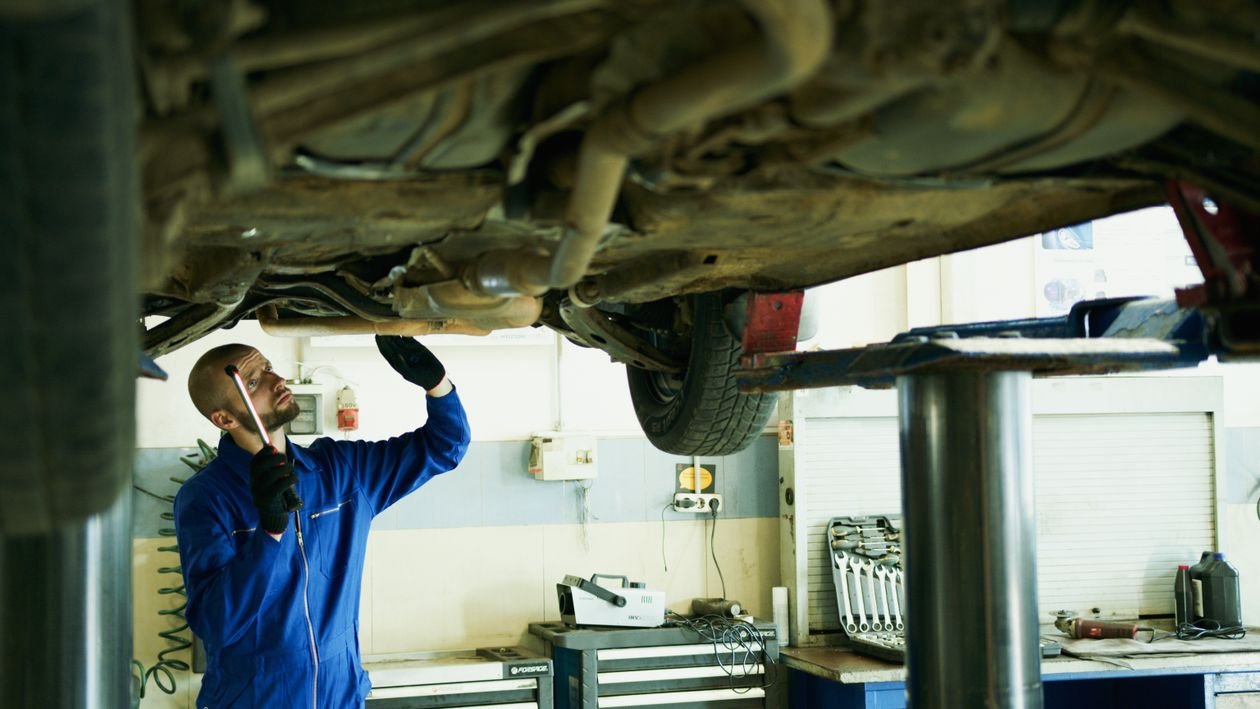
The industry roundtable on 21 October — the IMI hosting, the DVSA at the table, trade associations and road-safety groups in the room — came and went without producing anything on the record. The meeting was the industry’s big set-piece: garage economics, EV mileage checks and the cost of testing modern cars were all on the agenda, with the IMI’s garage survey evidence feeding in. The IGA’s parallel pressure ran right up to the day — it had already put its £95 demand to DfT and DVSA officials in September, then joined forces with the Scottish Motor Trade Association on 20 October to repeat the call ahead of the talks. But as of 22 October, none of Fleet News, Car Dealer Magazine, AM Online or Motester has published any outcome, and neither the IMI, the IGA nor the DVSA has issued a post-meeting statement.
Silence after the meeting is, in practice, the same answer as before it. The cap stays where it has been since April 2010: £54.85 maximum for a Class 4 car MOT, no VAT. And the government’s line is still the one the DfT has repeated for months — “no current plans to increase the MOT fee, but keep it under constant review”. So the freeze continues by default: no rise agreed, no review announced, no consultation opened. The talks happened; nothing changed.
The talks happened, and the answer was the same one drivers have heard for months: not now. The MOT price cap stays at £54.85 — the figure set in April 2010 — after the industry’s 21 October roundtable with the DVSA and the garage trade’s push for a rise to £95. If you only read the headline, nothing has changed. But the headline is not what an MOT costs you. Once the test is booked, failed and fixed, the average driver is already handing over £111 — and that gap, not the £54.85, is where this story really lives.
Short answer: the MOT price cap has not gone up. After the October talks, the maximum a garage can charge for a car MOT is still £54.85, exactly where it has sat since April 2010. The trade asked for £95. The government, for now, has not moved. So if your test is due, you will pay what you would have paid last month — at most.
Not sure when yours is due? Check your MOT history and due date free — it takes 30 seconds and comes straight from DVSA records.
The £54.85 headline — and the £111 reality
Here is the number that matters more than the cap. Research from Confused.com, published in mid-October, found that drivers spend £111 on average on their MOT once everything is counted — the test itself, booking costs and the repairs the test uncovers. The cap only controls one line of that bill.
That is why the freeze is not quite the good news it looks like. A garage can charge you £40 for the test and the visit still costs you £150, because the test was never the expensive part. The expensive part is the worn tyres, the corroded brake pipes and the suspension bush that has been quietly wearing out since last year — the things the test exists to find.
And the £111 average hides the spread. A car that sails through costs its owner the test fee and nothing more. A car that fails on a Friday afternoon, with work needed before it can legally be driven home, costs several times the average. Which side of that line you land on has far more to do with how the car has been looked after than with anything decided in a meeting room in October.
Why drivers are already feeling squeezed
The same Confused.com research found that almost 1 in 10 drivers (9%) have already delayed an MOT because of the price — at the current cap, before any rise. More than 1 in 6 (17%) think the test should only happen every two years.
That is the consumer pressure sitting on the other side of the table from the garage trade, and it is why the government keeps choosing the freeze. A £95 cap might be defensible on garage economics — £54.85 in 2010 money is worth roughly £87 today, so testers are working for a third less in real terms than they were — but it lands on drivers who are already putting off a safety check because money is tight. Delaying an MOT is not like delaying a haircut. Drive without one and the fine is up to £1,000; get caught with a dangerous defect and it is up to £2,500, a possible ban and 3 penalty points, before any argument with your insurer.
The RAC’s recent figures point the same way: the average car repair bill is now close to £700, and a quarter of young drivers say they have delayed fixing something because of the cost. The MOT debate is really a cost-of-running-a-car debate wearing a £54.85 badge.
Why garages have not finished arguing
Do not expect the trade to drop this. The Independent Garage Association’s case — that running a test bay, with today’s equipment, staffing and energy costs, cannot be done properly for a 2010 price — does not go away because one round of talks ended without a rise. Its chief executive, Stuart James, has warned that garages are already cutting back: some are reducing the number of MOT slots they offer, and owners told Car Dealer Magazine this month that some could stop testing altogether.
The Institute of the Motor Industry’s angle is different but points the same way. Modern cars — EVs, hybrids, ADAS safety systems that need calibration — demand equipment and training that cost real money. Its chief executive, Nick Connor, has framed the question as a balance: garages must be able to cover rising costs, but tests must stay affordable, because prices that push drivers away from testing create a safety problem of their own.
There is also a quieter proposal on the table. The Independent Automotive Aftermarket Federation has argued not for a higher cap but for a minimum fee fixed at £54.85 — an end to the £29.99 discount MOT, which it says devalues the inspection itself. If that idea ever gained ground, plenty of drivers would pay more without the cap moving a penny.
What this means for your next MOT
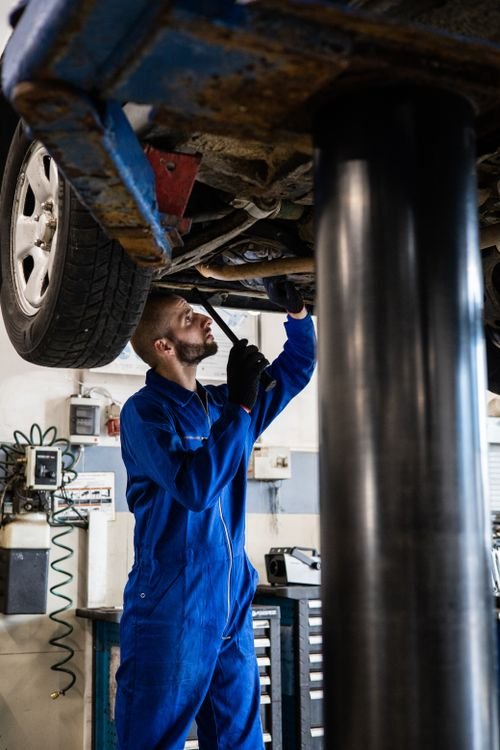
The price has not changed — the booking risk has. The practical effect of a fee freeze that garages say does not pay is fewer slots and longer waits at the garages that do it well. That changes how you should play it:
- Book early. You can MOT your car up to a month minus a day early without losing any time on your certificate. In a tight market for slots, the drivers who book three weeks ahead get the choice of garages; the ones who book three days ahead get what is left.
- Shop on the total, not the sign. A £54.85 test at a garage you trust can work out cheaper than a £29.99 discount test that finds £200 of “urgent” work. The cap limits the test price only — it says nothing about repair quotes, and you are always entitled to a second opinion before authorising work.
- Fix the cheap failures yourself. A surprising share of MOT failures are bulbs, wipers, tyres, screenwash and number-plate lights — ten-minute checks that cost almost nothing and are the difference between the £54.85 visit and the £111 one.
- Do not let it lapse. Whatever the politics, an expired MOT is the most expensive outcome of all — fines, insurance complications and a car you cannot legally drive to the test centre you finally booked.
Don’t rely on memory: check your MOT due date now, and book while you still have a choice of slots.
What happens next
A freeze is a decision the government has to keep remaking. The trade’s evidence is now on the record, the IMI has its survey data, and the fee remains, in the Department for Transport’s own words, “under constant review”. The next moments to watch are a formal fee review being announced, a consultation opening, or the trade escalating again if testing capacity visibly shrinks. When any of those happens, we will update this page — and our original explainer, Is the Price of an MOT Going Up?, keeps the full background on how the cap works and how we got here.
You can also find a test centre near you on our MOT centres pages — every listing is an active station from the DVSA register.
Sources: 21 Oct 2026 IMI/DVSA roundtable — no outcome statement published as of 22 Oct; DfT standing line “no current plans to increase the MOT fee, but keep it under constant review” via the Scottish Sun (7 Oct 2026); GOV.UK statutory fee tables (£54.85 Class 4 cap since April 2010); Confused.com driver-cost research via the Daily Express (13 Oct 2026); RAC repair-cost figures via Motoring Chronicle (10 Oct 2026).
Has the MOT price gone up after the October 2026 talks?
No. The maximum fee for a car MOT is still £54.85, unchanged since April 2010. The garage trade proposed £95, but the government has not agreed a rise.
Why do drivers pay £111 if the cap is £54.85?
Because the cap only covers the test itself. Confused.com research found the average total cost reaches £111 once booking costs and the repairs the test identifies are included.
Could the MOT price still rise in 2027?
Possibly. The fee is officially “under constant review”, and the trade is continuing to press its case with evidence from the October roundtable. Any rise would need a formal government decision — watch for a review or consultation announcement.
How can I keep my MOT bill down?
Book early so you can choose your garage, check the free fixes first (bulbs, wipers, tyres, screenwash and number-plate lights), and remember the test fee is capped but repair quotes are not — you are always entitled to a second opinion before authorising work.