
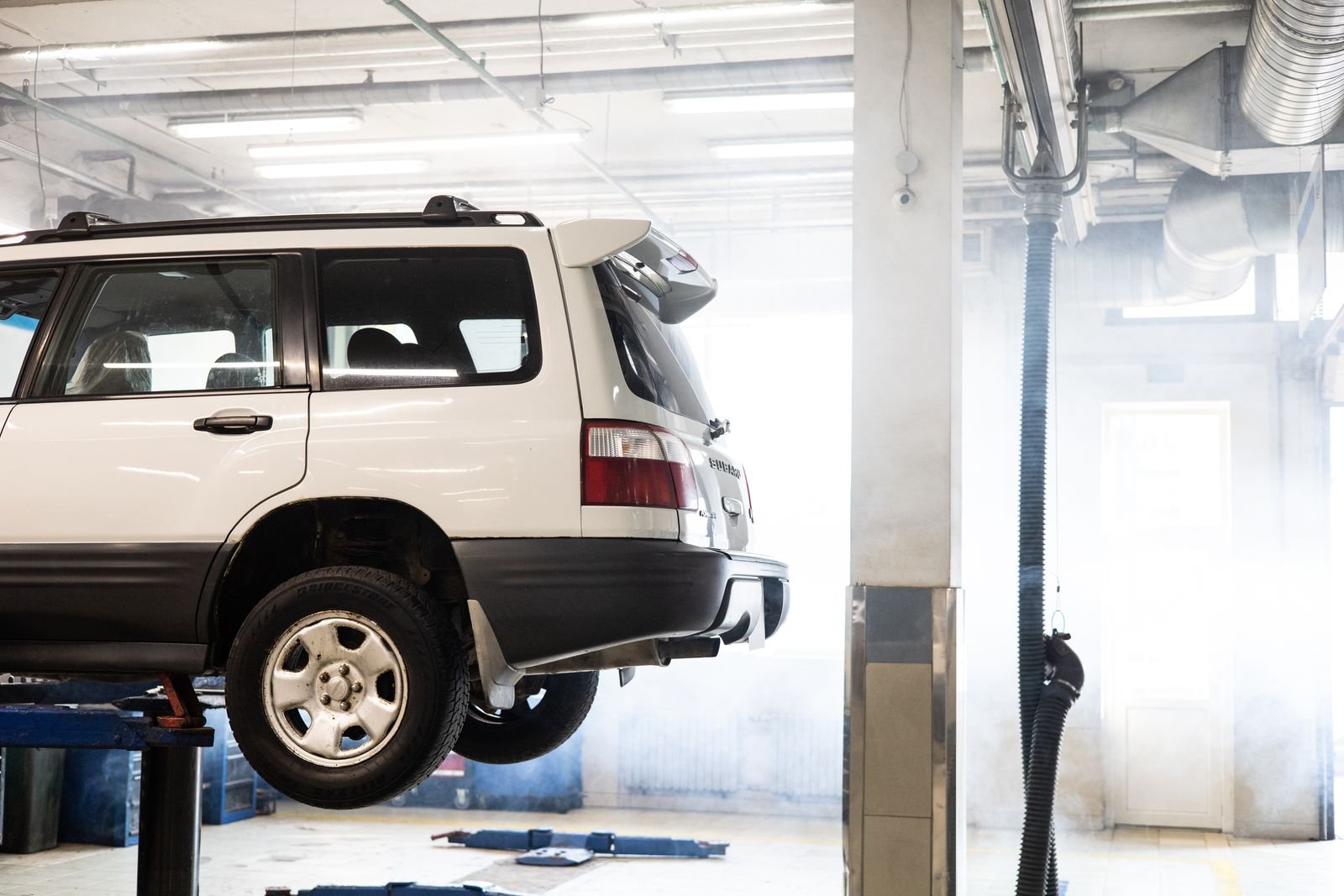
Short answer: no — the maximum price of an MOT has not changed. For a car or small van, the legal cap is still £54.85, where it has sat since April 2010. That’s a 16-year freeze. But the industry is campaigning harder than ever to end it: the Independent Garage Association (IGA) wants the cap raised to £95, and the IMI is surveying the trade right now ahead of a roundtable with the DVSA on 21 October. Nothing is decided — here’s what’s actually going on, and what it means for your booking.
Not sure when yours is due? Check your MOT history and due date free — it takes 30 seconds and comes straight from DVSA records.
Update (23 October): The industry’s 21 October roundtable with the DVSA ended with no rise agreed — the cap stays at £54.85. Read our follow-up: MOT Price Cap Stays at £54.85 — But Drivers Already Pay £111
The £54.85 cap, in numbers
The numbers tell the story of the freeze:
- £54.85 — the maximum a garage may charge for a Class 4 MOT (cars and small vans). It has not moved since April 2010.
- ~£87 — roughly what £54.85 from 2010 would be worth in today’s money (Autocar ran the inflation maths). In real terms, the fee has fallen by more than a third.
- £95 — the new maximum the IGA is asking the Department for Transport to approve: a rise of about 73%.
- 11% — the rise the DVSA applied to HGV, bus and trailer test fees, while car and motorcycle fees stayed frozen. Cars are the outlier.
- £29.65 — the maximum for a standard motorcycle MOT (£37.80 with a sidecar), also frozen since April 2010. The IGA has confirmed its campaign covers all MOT classes, including bikes — no class is about to become £95 on its own, but the whole fee structure is on the table (Visordown, 8 Oct 2026).
The government, for now, isn’t moving. The DfT’s position as of early October 2026: “no current plans” to raise the fee, though it remains “under constant review.” So any headline suggesting a £95 MOT has already been agreed is wrong — the motoring press has had to warn garages explicitly not to treat it as a done deal.
Why garages say the freeze can’t continue
The trade’s argument is about costs, not profit. Stuart James, the IGA’s chief executive, says the fee “can no longer be kicked down the road”: running a test bay has got steadily more expensive — equipment, staff, energy — while the price of the test itself has stood still for a decade and a half. And the test keeps getting more complex: EVs, hybrids and ADAS-equipped cars demand new equipment and new skills, which is exactly what the 21 October roundtable will examine.
The warning from the trade is the part drivers should pay attention to. If MOT work doesn’t pay its way, garages “may prioritise more profitable repair work” — fewer test slots, longer waits. This week the tone got sharper: garage owners told Car Dealer Magazine some could stop offering MOTs altogether if nothing changes, saying the fee “simply doesn’t reflect the true cost” and that they are effectively subsidising every test themselves (Car Dealer, 8 Oct 2026).
A second industry voice: a ban on cheap MOTs?
The Independent Automotive Aftermarket Federation (IAAF) has entered the debate with a different ask — not a higher cap, but a statutory minimum fee fixed at the existing £54.85 maximum. Its argument: widespread discounting, with MOTs used as loss leaders, has devalued the inspection itself, and with ADAS, EVs and emissions testing raising delivery costs, “the true value of the inspection” needs recognising (aftermarketonline.net, 9 Oct 2026). Read together with the IGA’s £95 push, the industry consensus is now clearly in one direction: the £29.99 MOT sign may not survive the review.
The angle that matters to you: MOTs aren’t getting more expensive — they’re getting harder to book
Forget the price for a moment. The practical risk to drivers right now isn’t paying £95; it’s not getting a slot when you need one. If testing capacity tightens, the people who suffer are the ones who leave booking to the last week — and an expired MOT is an expensive problem:
- Driving without a valid MOT: up to £1,000 fine (usually a £100 fixed penalty).
- If the car has failed on a dangerous defect: up to £2,500, a driving ban, or 3 penalty points — plus possible insurance trouble.
There’s another wrinkle. Research from Confused.com this week found drivers already spend £111 on average on their MOT once booking fees and the repairs it picks up are added together — and almost 1 in 10 have already put off their MOT because of the price (Daily Express, 13 Oct 2026). Confused.com’s motoring expert Matt Crole-Rees warns a higher cap could backfire: cash-strapped drivers may delay the safety check or, worse, risk a fake or invalid certificate — which carries up to a £1,000 fine and possible insurance trouble. More than 1 in 6 drivers (17%) now say the MOT should only be needed every two years. That’s the consumer side of the debate the trade bodies are pushing from the other end.
Book early — you can MOT your car up to a month minus a day early without shortening your certificate. And since “early” is easy to forget, a free MOT reminder a month before expiry is the cheapest insurance against it.
Don’t rely on memory: check your MOT due date now and set a free reminder before it expires.
What’s actually happening now — the timeline to watch
This isn’t just lobbying noise; there’s a concrete timetable — and it stepped up a gear on 7 October, when the IGA asked the transport minister for an urgent meeting. The call has since been repeated: the IGA is now urging Transport Minister Heidi Alexander to “act now” on the £95 proposal, after going public with the request last week (Car Dealer Magazine, 8 Oct 2026). The IGA met DfT and DVSA officials in September and says its members are now reaching the point where they can no longer absorb rising costs and still make MOT testing commercially viable (Fleet News, 7 Oct 2026). Chief executive Stuart James said:
“We are grateful to officials at the DfT and DVSA for engaging with us. However, following our discussions, we believe the time has now come for this issue to receive the direct ministerial attention it deserves.”
- Now — the IMI survey is live. The Institute of the Motor Industry is gathering evidence from MOT providers on recruitment, operating costs and investment needs (reported 5 October). If you run a garage, your input is what the industry takes to the table.
- 21 October — the IMI/DVSA roundtable. Trade associations, road-safety organisations and other stakeholders meet with the DVSA to discuss garage economics and the EV/ADAS investment burden. The survey results feed directly into it.
- After that — a possible formal review. IMI chief executive Nick Connor frames it as a balance: “Garages need to be able to cover rapidly rising costs and more complex tests, while drivers need the price to remain affordable. If prices are not accessible, it will bring about serious vehicle safety issues that increase risk on UK roads.”
FAQ
How much is an MOT in 2026?
The legal maximum is £54.85 for cars and small vans. Garages can charge less than the cap — many advertise discounted tests — but they cannot charge more.
Is the MOT price going up?
Not yet. The IGA has proposed raising the cap to £95, and an IMI/DVSA roundtable on 21 October 2026 will discuss garage economics, but the DfT says it has “no current plans” to raise the fee. Treat it as a live campaign, not a done deal.
Why do some garages charge less than £54.85?
£54.85 is a ceiling, not a fixed price. Garages often discount the test itself — sometimes heavily — because an MOT brings the car onto the ramp, where advisory and repair work follows.
When will we know more?
After the 21 October roundtable. If the industry’s evidence lands, the next step would be a formal government review of the fee — after 16 years frozen, that review is getting harder to avoid.
Sources: IGA £95 proposal and DfT position via motester.co.uk and fleetnews.co.uk (29 Sep 2026); inflation figure via autocar.co.uk; IMI survey and 21 October roundtable via am-online.com (6 Oct 2026); IGA minister-meeting request via fleetnews.co.uk (7 Oct 2026); motorcycle classes via visordown.com (8 Oct 2026); garage owners’ warning via cardealermagazine.co.uk (8 Oct 2026); IAAF minimum-fee proposal via aftermarketonline.net (9 Oct 2026); Confused.com consumer data via the Daily Express (13 Oct 2026).