
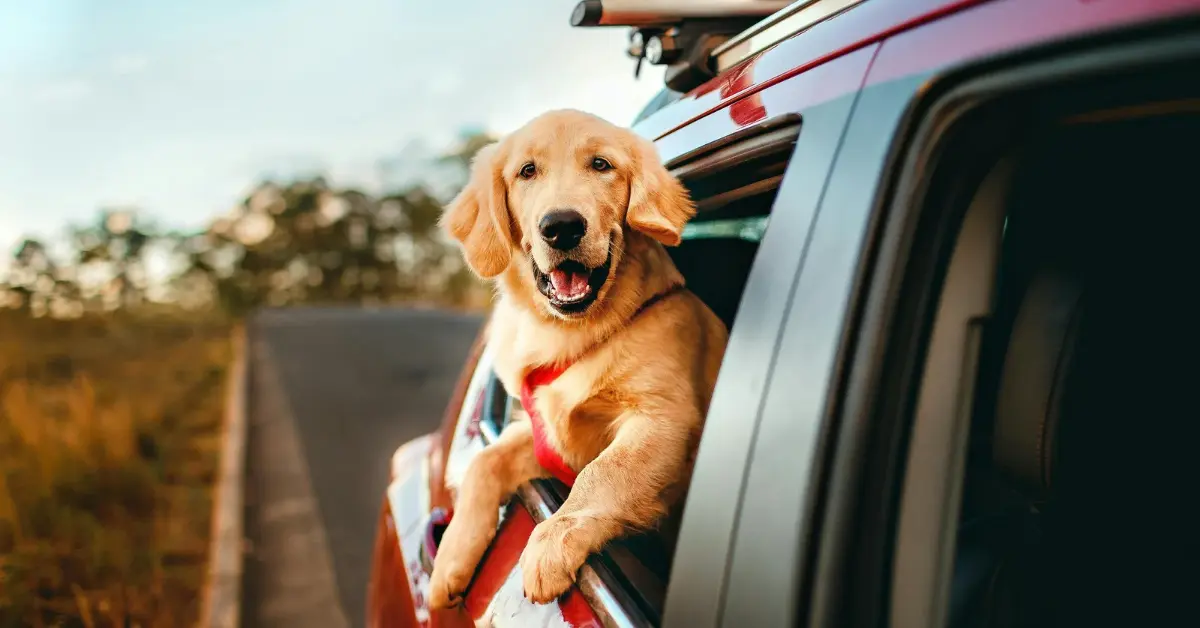
For many of us, our pets are cherished family members who accompany us on car journeys. What many pet owners don’t realise is that their furry friends can genuinely affect their vehicle’s MOT test results — from chewed seatbelts to pet hair jamming a seat mechanism. This guide explains exactly how pets can cause MOT failures and gives you practical, proven tips to make sure your vehicle passes first time.
Understanding How Pets Can Affect Your Car’s MOT
The MOT test focuses on safety-critical components, not cosmetics. That’s actually good news: muddy paw prints on the boot carpet won’t fail your car. But pet damage that reaches safety equipment will — and it happens more often than most owners expect. Let’s look at the specific test items a pet can compromise.
The MOT Test Items Most Vulnerable to Pet Damage
Each of these is checked during the MOT, and each has a documented failure mode linked to animals:
- Seatbelts — chewed, frayed, or claw-damaged webbing is an automatic fail. Seatbelt retractors choked with pet hair that no longer reel in properly will also fail.
- Seats — the driver’s seat must adjust correctly. Pet hair packed into adjustment runners or damaged mountings that stop the seat locking into position is a failure.
- Mirrors — a rear-view mirror scratched or dislodged by an excited dog, or wing mirrors smeared to the point of poor visibility, can fail.
- Wipers and washers — windscreen wipers chewed or damaged by pets, or washer jets blocked with fur and debris, are testable failures.
- Horn — a horn accidentally damaged by paws on the steering wheel is a surprisingly common pet-related fail.
- Lights and number plates — lamps obscured by a thick layer of pet hair or mud, or a number plate rendered unreadable, will fail the test.
- Brakes — in extreme cases, pets loose in the footwell can interfere with pedals. While not strictly a test failure, loose animals around the controls are a serious hazard the tester will note.
Restraining Your Pet Is a Legal Requirement — Rule 57
This deserves its own section because many drivers don’t know it: Rule 57 of the Highway Code states that animals must be suitably restrained in a vehicle so they cannot distract you or injure you or themselves if you stop suddenly. While the rule itself doesn’t carry a direct penalty, driving with an unrestrained pet can be treated as careless driving — and your insurer may refuse to pay out if an unrestrained animal contributed to a crash.
So restraining your pet isn’t just about a clean MOT; it’s about the law and your insurance. The good news is that the right restraint also prevents most of the interior damage that leads to MOT failures.
Types of Pet Restraint: Pros and Cons
| Restraint | Pros | Cons |
|---|---|---|
| Travel crate | Best protection for pet and passengers; contains hair and mess; satisfies Rule 57 completely. | Takes up boot space; needs to be secured so it can’t slide; some pets dislike crates. |
| Boot guard / dog gate | Keeps large dogs in the boot area; allows airflow; easy to fit in estate cars and SUVs. | Doesn’t contain hair or mud; cheaper guards can rattle or shift. |
| Car harness with seatbelt attachment | Keeps the pet on the seat and restrained; inexpensive; works in any car. | Pet still has seat access — use a seat cover too; harness must be crash-tested quality to be worthwhile. |
| Back-seat hammock | Protects upholstery from claws and hair; stops the pet falling into the footwell. | Not a restraint on its own — pair it with a harness to comply with Rule 57. |
Whatever you choose, combine restraint with interior protection: quality seat covers and rubber boot liners are cheap insurance against the kind of damage testers fail.
Preventing Pet-Related MOT Issues
Use protective covers
Install high-quality seat covers designed for pet transport. They prevent direct contact between claws and upholstery, contain hair, and should be washed regularly — a cover that’s never cleaned will eventually let grit and fur through to the fabric beneath.
Install pet barriers
Proper pet barriers or crates keep animals away from the driver’s controls and critical safety equipment. This protects your car’s interior and keeps travel safer for everyone.
Regular cleaning and maintenance
Establish a regular cleaning routine to remove pet hair and dander. Pay special attention to:
- Ventilation systems
- Seat adjustment runners
- Seatbelt retractors
- Door seals and window channels
Air filtration
Replace cabin air filters more frequently if you regularly travel with pets. Clogged filters can affect engine performance and the general condition of the car — worth sorting before test day.
Pre-MOT Deep-Clean Checklist for Pet Owners
Run through this list the weekend before your MOT — it takes about an hour and eliminates the most common pet-related failures:
- Seatbelts: extend each belt fully, check the webbing for chewing, fraying, or claw marks, and confirm the retractor reels it back smoothly.
- Seats: slide the driver’s seat through its full range of adjustment; vacuum the runners clear of packed hair.
- Mirrors and glass: clean the rear-view and wing mirrors thoroughly; check none are loose or scratched by paws.
- Wipers and washers: inspect wiper blades for chew damage; top up washer fluid and check both jets fire properly.
- Horn and lights: test the horn, walk round and check every light, and wipe lamps and number plates clean.
- Footwells and pedals: remove toys, leads, and debris from around the pedals — the tester needs clear access.
- Dashboard and windscreen: clear pet hair from the dash top so nothing impairs the driver’s view through the windscreen.
- Boot: shake out or vacuum the boot mat; make sure nothing loose can roll under the rear seats and foul the seat mechanisms.
Pair this with our general 10 pre-MOT checks and you’ll have covered the vast majority of avoidable failures.
Safety Considerations for the Journey Itself
Window operation
Ensure pets cannot accidentally damage electric window mechanisms — window controls are checked during the MOT, and a dog that chews switches can cause a failure. Use window guards or child locks when travelling with pets.
Dashboard visibility
Keep the dashboard area clear of pet hair and scratches. Any damage that impairs visibility through the windscreen can result in an MOT failure — and it’s a safety risk regardless.
Never leave pets loose near the pedals
A small dog in the driver’s footwell is a genuine danger: it can slide under a brake pedal at the worst possible moment. Restraint isn’t optional here.
Professional Cleaning
Consider a professional valet service designed for vehicles with pet passengers. These services use extraction equipment that removes deeply embedded pet hair from seat mechanisms and belt retractors — the exact places DIY cleaning misses — and can eliminate odours that make the inspection unpleasant for the tester.
Frequently Asked Questions
Can pet hair affect my car’s MOT test?
Pet hair alone won’t fail a car, but hair packed into mechanical components — seat adjusters, belt retractors, washer jets — can cause failures when those parts can’t operate properly.
Will scratched upholstery fail an MOT?
Minor cosmetic scratches won’t cause a failure. But deep tears that compromise seat structure, or damage that stops the driver’s seat adjusting and locking, will fail.
How often should I clean my car if I travel with pets?
A quick weekly clean is ideal, with a thorough deep clean — including seat runners and belt retractors — every three to four months, depending on how much your pet sheds and how often it travels.
Does Rule 57 of the Highway Code carry a fine?
Rule 57 itself is advisory, but an unrestrained pet that causes a loss of control can lead to a careless driving charge — which carries a fine and penalty points. Crucially, insurers can and do refuse claims when an unrestrained animal contributed to an incident.
Can pet-related damage void my car warranty?
Some warranties exclude damage caused by animals. Check your warranty terms, and consider additional interior protection if you regularly travel with pets.
Does pet damage affect my car’s resale value?
Yes — significant pet-related damage reduces resale value. Interestingly, a clean MOT history with no repeat advisories about interior or seat damage helps reassure buyers that the car has been well cared for.
What if my car fails because of pet damage — can I get a free retest?
Possibly. If the failure is minor and the vehicle stays at the test station, you’re entitled to a free partial retest within 10 working days. If you take the car away for repairs, the retest at the same station within 10 working days can cost up to half the full fee. Our guide to what happens if your car fails its MOT explains your retest rights in full.
Conclusion
Travelling with pets doesn’t have to mean MOT trouble. Restrain your animal properly under Rule 57, protect your interior, keep up with regular cleaning, and run the pre-MOT checklist above — and your car will pass with your furry companion none the wiser. Prevention really is better (and far cheaper) than dealing with failures and repairs.