
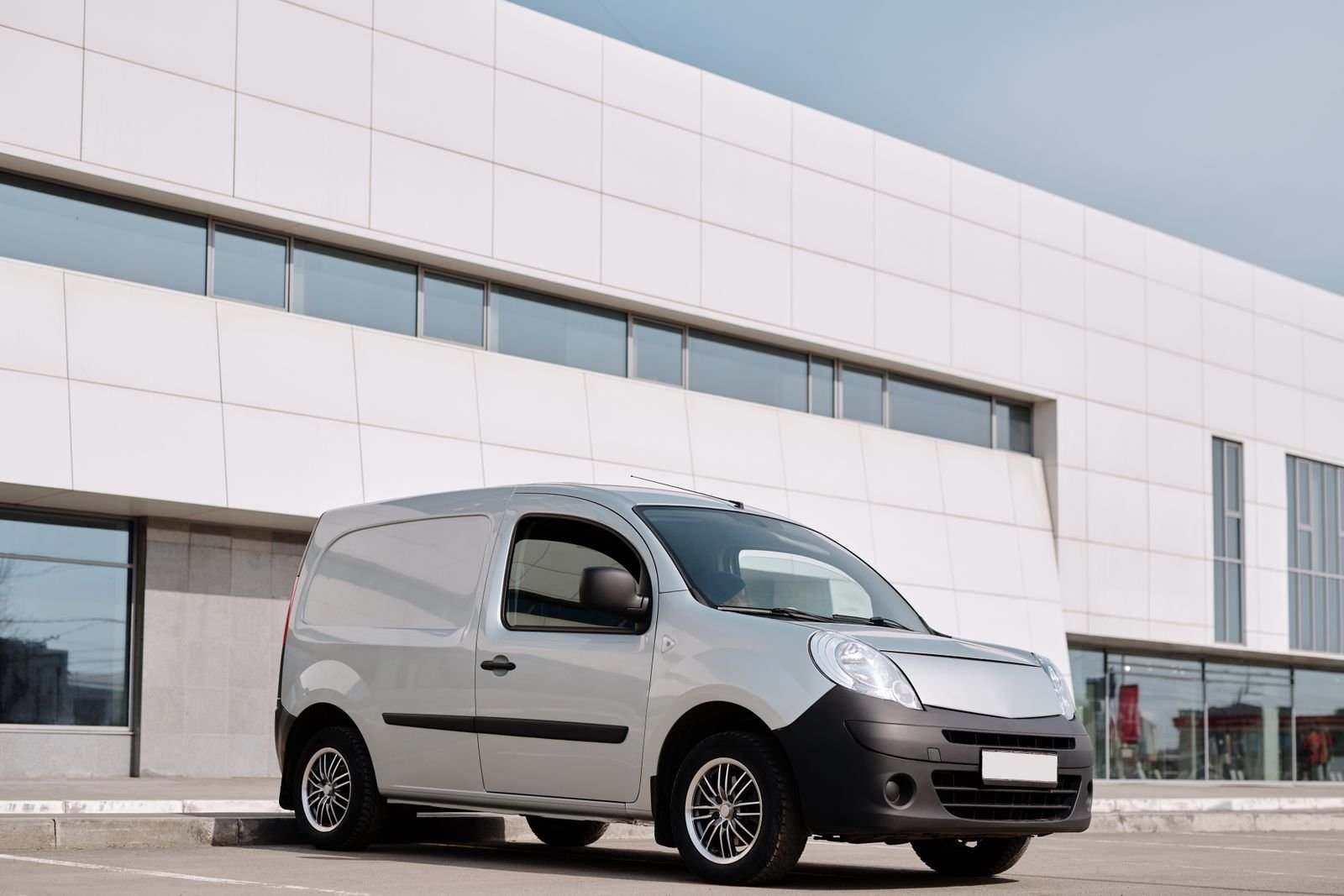
If you drive a large van for work, the MOT you need is probably not the same one your car takes. Most cars and small vans fall under Class 4, the test most drivers know. Heavier goods vehicles, from 3,000kg to 3,500kg in design gross weight, fall under Class 7 instead. A centre that only tests Class 4 vehicles cannot test your van, and turning up at the wrong place costs you a day you probably cannot spare.
This guide explains what a Class 7 MOT is, which vans need one, what the tester checks, how much it can cost, where to get one, and what happens if the van fails. The figures come from GOV.UK, which publishes the MOT fee table and retest rules.
What is a Class 7 MOT?
A Class 7 MOT is the annual roadworthiness test for goods vehicles with a design gross weight over 3,000kg and up to 3,500kg. Design gross weight, often shortened to DGW, is the maximum weight the vehicle is designed to operate at, including the van itself, its fuel, its passengers and its load. It is not the weight of the empty van, and it is not the weight of whatever happens to be in the back on the day. The figure is set by the manufacturer, and it is the figure that decides the MOT class.
Like every MOT, the Class 7 test checks that the vehicle meets minimum road safety and environmental standards. The tester works through the DVSA MOT inspection manual, which sets out each item to be checked and what counts as a minor, major or dangerous defect. A pass means the van met the minimum standard on the day. The engine, clutch and gearbox are not covered, which GOV.UK states plainly in its guide to getting an MOT.
The first Class 7 MOT is due by the third anniversary of the vehicle’s registration, and after that it is due every year, on the anniversary of the last MOT. That timing matches the Class 4 test. GOV.UK also lists zero emission goods vehicles between 3,501kg and 4,250kg design gross weight as Class 7, with the same maximum fee, so a heavier electric van above the usual 3,500kg ceiling may still take a Class 7 test rather than a lorry test.
Which vans need a Class 7 MOT?
Any goods vehicle with a design gross weight over 3,000kg and up to 3,500kg needs a Class 7 MOT. In practice that means the larger end of the van market. Long wheelbase and high roof panel vans plated at 3,500kg are the most common, including the bigger versions of the Ford Transit, the Mercedes Sprinter, the Volkswagen Crafter, the Renault Master and the Fiat Ducato. Luton vans and box vans often sit in this band too, as do dropside and tipper conversions and some chassis cabs. A van that looks much like a smaller one can still be Class 7 if it is plated at a higher weight, because the class follows the plated figure and not the shape of the body.
Pickups can fall into Class 7 as well, depending on their plated weight, and so can some heavier motorhomes and ambulances built on a large van chassis. A conversion does not change the class by itself. What matters is the design gross weight of the base vehicle as plated. Vehicles above the band are outside the MOT scheme altogether. A goods vehicle over 3,500kg, apart from the zero emission band above, needs the annual test for lorries, buses and trailers instead, carried out under a separate DVSA scheme.
Class 7 or Class 4: how to tell which one your van needs
The split is a single number. Goods vehicles up to 3,000kg design gross weight take a Class 4 MOT, the same class as most cars, with a maximum fee of £54.85. Goods vehicles over 3,000kg and up to 3,500kg take a Class 7 MOT, with a maximum fee of £58.60. The same van model can appear in either class, because manufacturers sell the same body at several plated weights. A version plated at 3,000kg is Class 4 and a heavier rated version of the same model is Class 7. The badge on the back will not tell you. The plate will.
How to find your van’s design gross weight
There are two places to look, and they should agree. The first is the manufacturer’s plate, usually a small plate or sticker inside the driver’s door pillar or under the bonnet. The second is the V5C logbook, where the maximum permissible mass is shown in the vehicle details section. Do not use the kerb weight, which is the weight of the empty van, and do not use the weight of the van as loaded on a particular day. Adding a roof rack, racking or a tow bar does not move a van into Class 7, and running light does not move a Class 7 van down into Class 4. Only the plated design gross weight decides it.
What a Class 7 MOT checks
A Class 7 MOT works through the same broad areas as a Class 4 test. The test covers the body and structure, the brakes, the steering and suspension, the tyres and wheels, the lights and electrical equipment, the windscreen and the driver’s view, the seatbelts and seats, the doors, the fuel system, the exhaust and the emissions. The tester also checks the vehicle identification number and the registration plates, and the dashboard warning lights for systems such as anti-lock brakes and airbags where fitted.
Each defect found is recorded as minor, major or dangerous. A minor defect should be monitored or fixed soon, and the van can still pass with minors recorded. A major defect fails the test, and a dangerous defect fails it too and means the van should not be driven until the problem is fixed. That grading is the same across MOT classes.
Brakes, steering, suspension and structure
Brakes get the closest attention on a Class 7 test. A van plated at 3,500kg needs to stop a lot more weight than a car, day after day with a load in the back. The tester checks the pedal, the pipes and hoses, the discs and pads where they can be seen, and the handbrake, then measures braking performance on a roller brake tester. The anti-lock braking system and electronic stability control are checked where fitted, along with their warning lights. Steering and suspension are checked for wear, play, leaks and damage, including joints, bushes, springs, shock absorbers and mountings. The chassis and body are inspected for corrosion, damage and insecure mountings, including the load floor and rear chassis section.
Tyres, wheels, lights and visibility
Tyres are checked for condition, size, type and tread depth. The legal minimum tread depth is 1.6mm across the central three quarters of the tread, around the whole circumference, and a tyre below that, or with cuts, bulges or exposed cord, will fail. Load rating matters on a Class 7 van in a way it rarely does on a car, so check the rating on the sidewall against what the van requires. Lights are checked for condition, operation and aim, including headlamps, brake lights, indicators, hazard lights, fog lamps and reversing lights. Headlamp aim matters because ride height changes with the load. The windscreen, wipers, washers and mirrors are checked too.
Emissions, exhaust, seatbelts and the rest
The exhaust must be secure and complete, without serious leaks, and not excessively noisy. The emissions test measures what comes out of the tailpipe against the limits for the vehicle’s age and fuel type. A van that has had its emissions equipment removed or tampered with will fail, and a lit engine warning light can fail the test too. The fuel system is checked for leaks, and the fuel cap must fasten and seal properly. Seatbelts are checked for condition and operation, the seats and their mountings are checked, and the doors, load doors and tailgate must open and close securely. The horn, battery and visible wiring are checked as part of the general inspection.
How a Class 7 test differs from a Class 4 test
The test itself is not a different test. The tester follows the same DVSA inspection manual, works through the same areas, and records defects under the same headings. The difference is the vehicle and the equipment needed to test it. A Class 7 van is heavier, it puts more stress on its brakes, suspension, tyres and chassis, and the brake test has to measure performance on a vehicle built to stop 3,500kg. A Class 7 test needs a ramp or lift rated for the heavier vehicle and a brake tester rated for the heavier axle weights. A centre that only holds Class 4 authorisation cannot test a Class 7 van. The fee is the other visible difference: the maximum fee for Class 4 is £54.85 and for Class 7 it is £58.60, and no VAT is charged on the MOT fee itself.
How much does a Class 7 MOT cost?
The most a test centre can charge for a Class 7 MOT is £58.60. That is the statutory maximum fee published by GOV.UK for petrol, diesel and hybrid goods vehicles over 3,000kg and up to 3,500kg design gross weight, and the same cap applies to zero emission goods vehicles between 3,501kg and 4,250kg. The cap is a maximum, not a price, so what you pay depends on the centre. Some charge the full £58.60, some charge less, and some discount the test when it is booked with a service. A cheap test is not a lesser test, because every MOT follows the same DVSA standard whoever carries it out.
Repairs are separate from the test fee and are not capped by the MOT fee rules. If the van fails, get the repair quote in writing, ask what parts are included, and ask whether the retest is included or charged separately.
Where to get a Class 7 MOT
Not every MOT station can carry out a Class 7 test. A centre needs Class 7 authorisation from DVSA and the right equipment, including a ramp or lift rated for the weight and a brake tester rated for the axle weights involved. Ring the centre, give them the registration number and the design gross weight from the V5C, and ask directly whether they test Class 7 vehicles. Do not rely on a website listing alone if it does not say Class 7 in so many words, because a centre can be listed for MOTs in general while only holding Class 4 authorisation.
Commercial vehicle specialists, larger independent garages and main dealers with a van franchise are the most likely places to hold Class 7 authorisation, and council run test centres sometimes offer Class 7 tests as well. If you run more than one van, find a centre that can test the whole fleet and book ahead, because Class 7 ramps are fewer in number and busy periods fill up faster than car ramps. Only centres showing the blue sign with three white triangles can carry out an MOT. Take the V5C with you if you have it, along with the locking wheel nut key if your van has locking wheel nuts.
How often is a Class 7 MOT needed, and when to book
A Class 7 MOT is needed once a year. The first test is due by the third anniversary of the vehicle’s registration, and each test after that is due by the anniversary of the last MOT. An MOT lasts for a year, and you can be fined up to £1,000 for driving a vehicle without a valid MOT. You can check the expiry date through the MOT history service on GOV.UK using the registration number, and sign up for MOT reminders.
You can get an MOT up to a month, minus a day, before it runs out and keep the same renewal date for the following year. GOV.UK gives the example of an MOT that runs out on 15 May, where the earliest you can get a test and keep the same renewal date is 16 April. If you test earlier than that, the renewal date will move. Book as soon as the early window opens, because a Class 7 slot may need a week or two. You cannot drive or park a vehicle on the road if its MOT has run out. The only exceptions are driving to or from somewhere to be repaired, and driving to a pre-arranged MOT test.
What happens if your van fails?
If the van fails, the result is recorded in the MOT database, and the centre will give you a refusal of an MOT test certificate listing the defects, graded as major or dangerous, plus any minor or advisory problems. Read the refusal notice before you agree to any work, and ask the tester to explain any item you do not understand. A van that failed with a dangerous defect should not be driven until the problem is fixed. GOV.UK states that you can be fined up to £2,500, be banned from driving and get 3 penalty points for driving a vehicle that failed because of a dangerous problem.
You can appeal the result if you think it is wrong, and the appeal goes to DVSA. Discuss the result with the test centre before anyone starts repairs, and send the complaint form to DVSA within 14 working days of the test if the van failed.
Retest rules for a Class 7 van
The retest rules reward keeping the van at the test centre. If you leave the van there for repair and it is retested within 10 working days, there is no fee for the partial retest. If you take the van away and bring it back to the same centre within 10 working days, only a partial retest is needed, and the centre can charge up to half the statutory maximum test fee. For a Class 7 van that means up to £29.30, which is half of £58.60. Some centres offer a free retest more widely than the rules require, so ask about their retest policy before you book.
There is also a free retest for the next working day, but only for a set list of simple items, including lamps, excluding headlamp aim, windscreen glass, wipers and washers, mirrors, registration plates, seatbelts, excluding anchorages, seats, doors, the horn, the battery and wiring, the fuel filler cap, the tyre pressure monitoring system, wheels and tyres, and the bonnet, boot lid, tailgate, dropsides and tailboard. Brakes, suspension, steering linkage, emissions, headlamp aim and corrosion are not on the list. In all other cases, including returning after 10 working days or going to a different centre, you will need a full retest and pay the full fee again. Only one partial retest is allowed for each full test.
How to prepare your van for a Class 7 MOT
A bit of preparation will not change the standard the van is judged against, but it will catch the easy fails that waste a test fee and a day. Walk around the van and check every light, including brake lights, indicators, hazard lights, the rear fog lamp and the number plate light. Check the tyres for cuts, bulges and tread depth, and check the pressures against the plate on the van. Check the windscreen for chips and cracks in the driver’s view, and check that the wipers clear the screen and the washers work. Inside, check that every seatbelt extends, retracts and locks, that the seats are secure, that the doors open and close properly, and that no dashboard warning light stays on after the engine starts.
Clear the load area enough for the tester to inspect the load floor and rear chassis. Top up the screenwash, check the oil and coolant levels, and make sure there is enough fuel for the emissions test. Check that the registration plates are clean, secure and legible, and that they match the V5C.
What a Class 7 MOT does not cover
An MOT is a minimum standard check, not a full inspection. The test does not cover the condition of the engine, the clutch or the gearbox, as GOV.UK states, so a van can pass with an engine fault developing or a clutch nearly worn out. The tester does not remove wheels or trim, and does not dismantle anything to look inside. A pass means the van met the minimum standard on the day, and nothing more, which is why a service and an MOT are different jobs.
Frequently asked questions
How much does a Class 7 MOT cost?
The most a test centre can charge for a Class 7 MOT is £58.60. That is the statutory maximum fee published by GOV.UK for petrol, diesel and hybrid goods vehicles over 3,000kg and up to 3,500kg design gross weight, and the same cap applies to zero emission goods vehicles between 3,501kg and 4,250kg. The fee is a maximum, not a fixed price, so a centre can charge less, and no VAT is charged on the MOT fee itself. Repairs are charged separately and are not capped.
Which vans need a Class 7 MOT?
Goods vehicles with a design gross weight over 3,000kg and up to 3,500kg need a Class 7 MOT. That usually means long wheelbase and high roof panel vans plated at 3,500kg, Luton and box vans, dropside and tipper conversions, and some larger pickups, chassis cabs, motorhomes and ambulances built on a heavy van chassis. The class is decided by the plated design gross weight, found on the manufacturer’s plate and on the V5C logbook. If the plated weight is 3,000kg or less, the van takes a Class 4 MOT instead.
Can any MOT station test my Class 7 van?
No. A centre needs Class 7 authorisation and the right equipment for a heavier vehicle, including a ramp or lift rated for the weight and a brake tester rated for the heavier axle weights. Many garages only hold Class 4 authorisation, so they can test cars and small vans but not a Class 7 van. Ask the centre directly before you book, give them the registration number and the design gross weight from the V5C, and confirm they test Class 7 vehicles.
When does a Class 7 van need its first MOT?
The first Class 7 MOT is due by the third anniversary of the vehicle’s registration, and after that the test is due every year, on the anniversary of the last MOT. You can get the test done up to a month, minus a day, before it runs out and keep the same renewal date for the following year. You can check the expiry date and the MOT history on GOV.UK using the registration number, and sign up for MOT reminders.
What is the difference between a Class 4 and a Class 7 MOT?
The difference is the weight of the vehicle, not a different test. Class 4 covers goods vehicles up to 3,000kg design gross weight, and Class 7 covers goods vehicles over 3,000kg and up to 3,500kg. Both follow the same DVSA inspection manual and cover the same areas, and both are due annually with the first test at 3 years. The Class 7 test needs heavier duty equipment, the maximum fee is higher at £58.60 compared with £54.85 for Class 4, and fewer centres can carry it out.
What happens if my van fails its Class 7 MOT?
The failure is recorded in the MOT database and the centre gives you a refusal certificate listing the defects. A van that failed with a dangerous defect should not be driven until the problem is fixed, and driving it can bring a fine of up to £2,500, a driving ban and 3 penalty points. If you leave the van at the centre for repair and it is retested within 10 working days, the partial retest is free. If you take it away and bring it back to the same centre within 10 working days, the centre can charge up to half the test fee, which is £29.30 for a Class 7 van. After 10 working days, or at a different centre, you will need a full retest and pay the full fee again.