
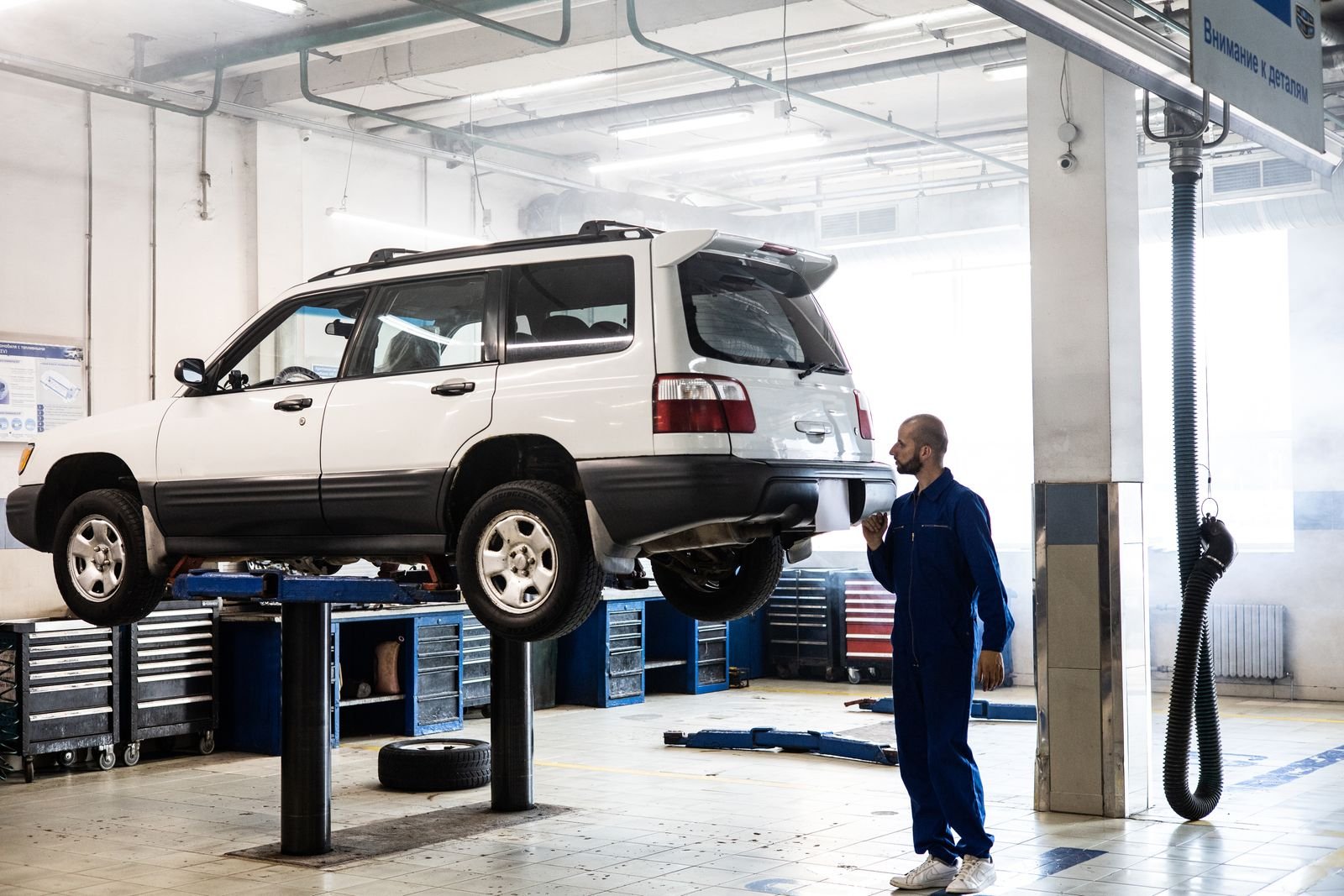
Your car has just failed its MOT and you are sure the tester got it wrong. Or the opposite has happened: your car has passed, but you have spotted a fault that should have failed it. Either way, you are not stuck with the decision. In England, Scotland and Wales you can appeal an MOT result to the Driver and Vehicle Standards Agency, known as DVSA, and ask for the car to be looked at again. It has strict deadlines, and one rule catches more people out than any other. Do not repair the car before the appeal is finished.
This guide explains how an MOT appeal works, using the official DVSA process: the form, the deadlines, the cost, what happens at the retest, and what DVSA can and cannot do for you.
What an MOT appeal actually is
An MOT appeal is a formal challenge to the result of an MOT test. You can appeal if your car, motorcycle or van failed its MOT and you think it should have passed. You can also appeal if it passed and you think it should have failed. Both use the same form, but the deadlines, cost and outcome differ.
The appeal is not a second opinion from another garage. A DVSA vehicle examiner, not an ordinary MOT tester, looks at the vehicle and decides whether the original result was right. The examiner works from the same MOT inspection manual the original tester used, and the question they answer is a narrow one: was the defect actually there, and did the tester apply the right standard to it?
That narrow question decides whether an appeal is worth your time. If the tester recorded a fault that is plainly not there, or applied a standard that does not fit your vehicle, an appeal has a real chance. If the fault is real and you simply hoped it would be treated as an advisory, an appeal will not help: a second examiner will see the same wear.
Before you appeal: talk to the test centre first
DVSA asks you to discuss the result with the MOT centre before you appeal, and that is not just a formality. Many disagreements are settled in the workshop, on the day, without any paperwork. A tester can show you the defect on the ramp, explain the measurement, or point to the inspection manual page they worked from. Sometimes that is enough: you see the cracked spring or the corroded brake pipe for yourself, and the argument ends there.
Sometimes the conversation goes the other way. A tester may realise a note was entered against the wrong item, or that a measurement was read incorrectly, and the centre can put it right without DVSA ever getting involved. That is the quickest possible outcome, and it is only available if you raise the point before you leave.
Ask to see the fault in person if you can, and ask what category the defect was given. MOT defects are graded as dangerous, major, minor or advisory, and only dangerous and major defects cause a fail. If the sheet lists a major defect and you cannot see anything wrong with the part named, that is the detail your appeal will turn on.
Keep the paperwork from the test. After a fail you should have a refusal of an MOT test certificate, known as a VT30, which lists the defects and the test number. After a pass you should have a VT20 certificate, or at least the test number and the centre details. Note what was said while it is fresh: who you spoke to, what they showed you, and what they said about the defect.
The deadlines: 14 working days for a fail, longer for a pass
The deadlines for an MOT appeal are strict, and they run from the date of the test, not from the date you decided you were unhappy. For a failed test, you must send the appeal form to DVSA within 14 working days of the test. Working days mean Monday to Friday, excluding weekends and bank holidays, so 14 working days stretches across nearly three calendar weeks. Even so, do not leave it to the last day.
The deadlines are different if you are appealing against a pass, because a car that has passed can still be driven. If you believe the car should have failed because of a corrosion problem, you have 3 months from the date of the test. For any other type of problem with a pass, the deadline is 28 calendar days from the test. Calendar days include weekends, so 28 calendar days is four weeks exactly.
DVSA does not offer extensions in normal circumstances. If the 14 working day window closes without the form reaching DVSA, the appeal route is closed, and the only way forward is repair and a normal retest. Work out the deadline on the day of the test and treat it as fixed.
Do not confuse an appeal with a retest. They run on different clocks. If you accept the fail, the retest rules give you 10 working days for a free partial retest if the car stays at the station for repair, or a partial retest fee if you take it away and bring it back to the same station within 10 working days. You cannot do both at once, because repairing the car destroys the evidence the appeal depends on.
The one rule that matters most: do not repair the car
Do not have any repairs made to the vehicle until the appeal process has finished. DVSA says this plainly, and repeats the warning on the appeal form. Repairing the vehicle before you appeal can affect the outcome, and in practice it can end the appeal altogether.
The reason is straightforward. The examiner needs to see the car as it was tested. If the disputed part has been replaced, adjusted or repaired, the examiner can no longer tell whether the original tester was right or wrong. The evidence is gone: a new brake disc tells the examiner nothing about the old one.
If the car has a dangerous defect, it cannot be driven, so leaving it unrepaired means it sits still while the appeal runs. If you need the car for work, or the defect is plainly real, repairing it and taking the normal retest route is usually the quicker and cheaper path. An appeal only makes sense when you are confident the result was wrong and you are willing to leave the car untouched until DVSA has looked at it.
Form VT17: what it is and how to send it
The appeal is made on form VT17, titled Appeal an MOT test result. It is the DVSA form for challenging an MOT result, and it is available to download from GOV.UK. Your test station should also be able to give you a copy if you ask for one, and test stations are expected to make the form available to customers on request.
The form is short, but it asks for specific information, so gather it before you start. You will need the vehicle registration number, the make and model, the vehicle identification number, the current mileage, the date of the test, the name and address of the test centre, and the test number from your VT30 or VT20. You will also need to say whether you are the registered keeper, and to explain why you disagree with the result, naming the defect you dispute.
Once the form is filled in, email it to DVSA at csccomplaints@dvsa.gov.uk. Email is the quickest way to get the form to DVSA inside the deadline. Save a copy of the completed form and keep the sent email as proof of the date you appealed. If you cannot email the form, you can post it to DVSA, The Ellipse, Padley Road, Swansea, SA1 8AN. Post takes longer, so email is the safer choice near the deadline. There is no fee to send the form itself.
What an appeal costs
If you are appealing against a fail, you pay the DVSA vehicle examiner an appeal fee before the retest starts. The amount is the maximum MOT cost for your vehicle type, and for a car that is £54.85, the legal maximum for a class 4 vehicle covering cars, motor caravans and small goods vehicles. Pay by cash or cheque, so bring the payment with you.
The fee is refunded if the car passes: you get the £54.85 back and the appeal has cost you nothing but time. If the car fails again, the examiner keeps it. A driver who paid £54.85 for the original test and £54.85 for the appeal retest has spent £109.70 in test fees and still holds a failed car, plus the repair costs.
That risk is the reason to be honest with yourself before you appeal. If you are fairly sure the defect is real, the appeal fee is money spent on confirming something you already knew. If you are confident the tester made a mistake, the fee is a deposit you expect to get back. Motorcycles and vans have different maximum MOT fees, so the appeal fee differs too, but the rule is the same. Appealing a pass is free, as the examiner only reinspects the car and writes a report.
What happens after you send the form
Once DVSA receives your form, a vehicle examiner will contact you within 5 working days to discuss your appeal, usually by phone. If you have not heard anything by then, phone DVSA on 0300 123 9000, Monday to Friday, 8am to 5pm.
If the examiner decides your vehicle needs to be looked at again, they will arrange a location, date and time with you. For an appeal against a fail, the examiner carries out a full MOT test. That is important: it is not a quick look at the one disputed item. It is a full test, and the car can fail on something else entirely. The examiner will tell you the result, give you a report of any defects and advisories, and add the retest result to the vehicle’s MOT history.
The original test result stays on the MOT history too. A successful appeal does not delete the earlier fail: anyone checking the car’s history later will still see the fail followed by a pass on the retest date. What changes is the outcome, as the car holds a valid MOT certificate from the retest, and the appeal fee is refunded.
For a pass appeal, the examiner reinspects the vehicle rather than carrying out a full MOT test, and there is no fee. You will get a report of any defects and advisories, but DVSA will not give you a new MOT result or update the MOT history.
Appealing a pass: the option most drivers miss
Most talk about MOT appeals is about failed cars, but the pass appeal matters too, and it is free. If your car passed its MOT and you then discover a fault that should have failed it, you can appeal the pass: corrosion the tester seems to have missed, a brake problem that shows up the next day, or a steering fault that was plainly there at the time of the test. The longer corrosion window exists because rust develops slowly, and a borderline fault can become obvious weeks later while still having been present on the day.
Go into a pass appeal with your eyes open about the outcome. DVSA will reinspect the car and give you a defect report, but it will not change the MOT result and it will not update the MOT history. Your car keeps its pass on the record. What you gain is an independent written record that the fault was there, useful if you take the matter further with the test station.
What DVSA can and cannot do
DVSA can overturn an MOT result. If its examiner finds the car should have passed, the car passes, the fee is refunded, and a new certificate is issued. If its examiner finds a passed car has defects, you get a written report that says so.
What DVSA cannot do is just as important. DVSA cannot tell you about any action it takes against the MOT centre. It cannot give you engineers’ reports. And it cannot help you get a refund or compensation from the MOT centre or the vehicle seller. If the appeal succeeds and you believe you are owed money, DVSA is not the route to it.
If your appeal is successful and you want to take further action against the MOT centre, GOV.UK points you to three options. You can report the centre to Trading Standards through Citizens Advice. You can take personal legal proceedings, which for a small claim means the county court. Or, if you have proof that the MOT tester knowingly gave the wrong result, you can report them to the police. Knowingly giving a wrong result is a serious matter, very different from a mistake, so do not allege it without evidence.
Appealing a fail versus complaining about the test station
Appeal and complaint sound similar, but in the MOT system they are different processes, and mixing them up wastes time. An appeal challenges the result of the test. A complaint challenges the behaviour of the test station or the service you received. You can do both, but they go through different routes and produce different outcomes.
An appeal goes to DVSA on form VT17, within the deadlines above, and asks an examiner to decide whether the result was right. A complaint about the station is about how you were treated: rude or dishonest service, being charged more than the quoted price, being pressured into repairs you did not need, or a tester who refused to show you the defect. Those are service and conduct issues, and they are not decided by retesting the car.
If your problem is the service rather than the result, start with the business itself. Raise the issue with the manager of the test station, in writing if you can, and keep a copy of what you sent. If that does not resolve it, you can contact DVSA about the service you received. For money, the routes are Trading Standards through Citizens Advice, or a small claim in the county court.
The distinction also matters for suspected fraud. If you believe a tester deliberately passed an unroadworthy car, or deliberately failed a sound car to generate repair work, report it to DVSA as suspected misconduct, with dates, the registration number, the test number and copies of the paperwork. Do not repair the car first if you are also appealing the result. A mistake on your MOT record, such as a wrong mileage reading, has its own separate GOV.UK process.
When an appeal is worth it, and when it is not
An appeal is worth it when the defect is specific, identifiable and, in your view, simply not there. A tester records a broken coil spring and the spring is plainly intact. A tester fails a car on a tyre and the tyre meets the legal tread depth. In those cases a second examiner is likely to reach a different conclusion, and the £54.85 fee is likely to come back to you.
An appeal is also worth considering when the tester has applied the wrong standard. MOT standards change with the age and class of the vehicle, and a rule that applies to a modern car does not always apply to a classic. The MOT inspection manuals for cars and motorcycles are published on GOV.UK, and you can read the relevant section yourself before you fill in the form.
An appeal is probably not worth it when the defect is real but you think the tester was harsh. Testers must judge the car against the manual, and a borderline item that falls on the fail side of the line is still a fail. If you can see the wear, the crack or the corrosion yourself, the examiner will see it too.
Time is the other factor. An appeal takes days to arrange, the car must stay unrepaired throughout, and a failed car with a dangerous defect cannot be driven at all. If you need the car back quickly, or the repair is cheap, the sensible choice is usually to accept the result, have the repair done, and use the retest rules to get the car passed again. If the appeal fails, the examiner keeps the £54.85 fee and gives you a defect report; you then have the car repaired and retested, at any station you choose.
This guide covers the DVSA process in England, Scotland and Wales. Northern Ireland runs its own vehicle testing system through the Driver and Vehicle Agency, known as DVA, and the appeal arrangements there are different, so drivers in Northern Ireland should check the DVA guidance for their own process.
Frequently asked questions
How long do I have to appeal an MOT fail?
You have 14 working days from the date of the test to send form VT17 to DVSA. Working days exclude weekends and bank holidays. The deadline runs from the test date, and DVSA does not grant extensions in normal circumstances, so send the form early and keep proof you sent it.
What is form VT17 and where do I get it?
Form VT17 is the DVSA form titled Appeal an MOT test result. It is available to download from GOV.UK, and your test station should also be able to give you a copy if you ask for one. Fill it in with the vehicle details, the test number, the centre details and your reasons, then email it to csccomplaints@dvsa.gov.uk, or post it to DVSA, The Ellipse, Padley Road, Swansea, SA1 8AN if you cannot email it.
How much does it cost to appeal an MOT fail?
For a car, the appeal fee is £54.85, which is the maximum MOT cost for a class 4 vehicle. You pay the DVSA vehicle examiner by cash or cheque before the retest starts. If the car passes the retest, the fee is refunded. If it fails again, the examiner keeps it. Appealing against a pass is free, because the examiner carries out a reinspection and a report rather than a full MOT test.
Can I repair my car before the DVSA inspection?
No, and this is the rule that matters most. DVSA says you should not have any repairs made until the appeal process has finished, because repairing the vehicle can affect the outcome of the appeal. The examiner needs to see the car as it was tested. If the disputed part has been repaired or replaced, the evidence is gone.
What happens when DVSA looks at my car?
A DVSA vehicle examiner will contact you within 5 working days to discuss the appeal and arrange a location, date and time. For a fail appeal, the examiner carries out a full MOT test, tells you the result, gives you a report of any defects and advisories, adds the retest result to the MOT history, and refunds the fee if the car passes. For a pass appeal, the examiner reinspects the car and gives you a defect report, but DVSA will not give you a new MOT result or update the MOT history.
Can DVSA make the test station refund me or pay compensation?
No. DVSA cannot help you get a refund or compensation from the MOT centre or a vehicle seller, it cannot give you engineers’ reports, and it cannot tell you about any action it takes against the centre. If your appeal succeeds and you want money back, ask the centre directly, report it to Trading Standards through Citizens Advice, or take personal legal proceedings. Proof that a tester knowingly gave the wrong result can be reported to the police.